2026年3月6日星期五

Ultimate Guide to Choosing Duct Tape for Air Conditioning

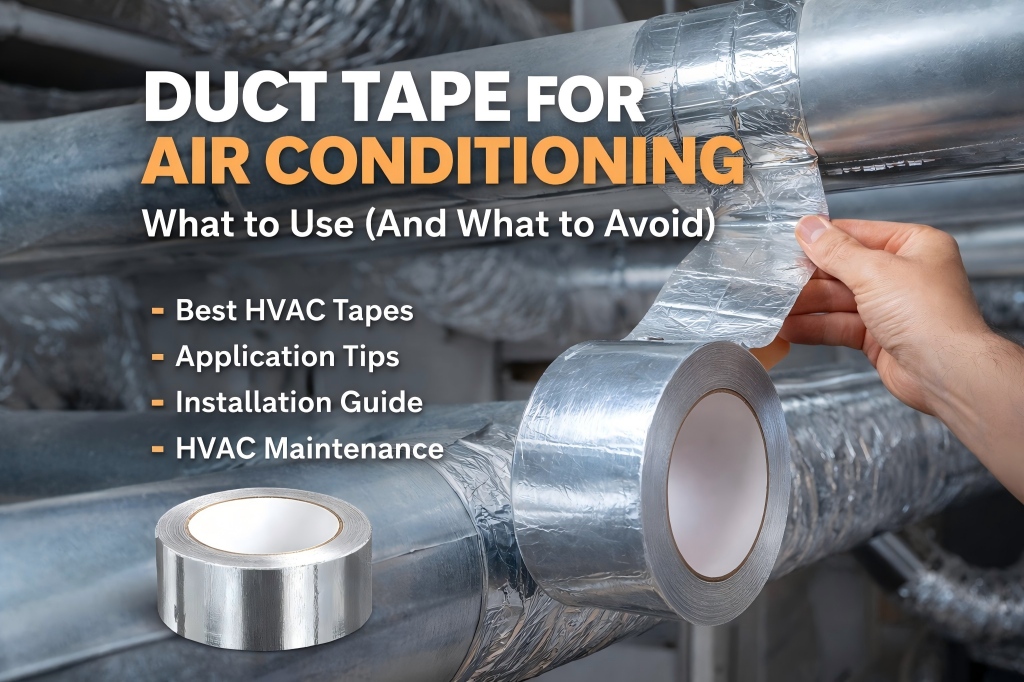
 Choosing the right duct tape for air conditioning is essential for sealing, repairing, and maintaining HVAC systems. Despite its name, traditional cloth duct tape is not suitable for AC ductwork. Using the wrong tape can cause air leaks, insulation damage, and long-term energy loss.

This guide explains the best ac duct tape options, compares materials, and shows you how to select the right hvac tape for ducts for durable, efficient performance.

Duct Tape for Air Conditioning

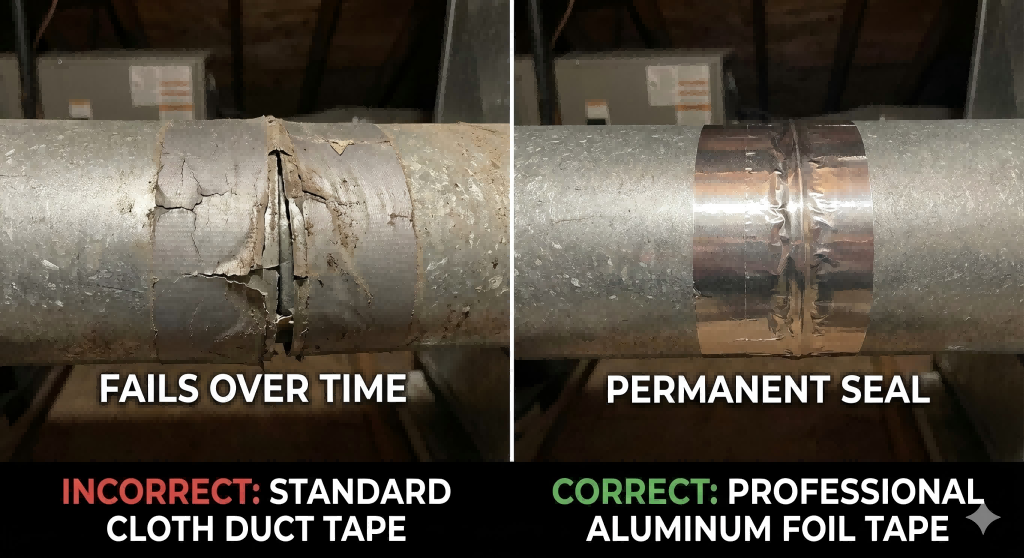
Why Standard Duct Tape Fails on AC Systems

Many homeowners mistakenly use general-purpose cloth duct tape for HVAC repairs. However, traditional rubber-based duct tape:

  • Dries out and cracks under temperature fluctuations
  • Fails in humid or condensation-prone environments
  • Loses adhesion under constant airflow pressure
  • Leaves residue and shrinks over time

For sealing ac ductwork tape joints and vents, professionals rely on specialized aluminum foil HVAC tapes engineered for heat resistance and vapor sealing.

Best Types of Duct Tape for Air Conditioning

1. Aluminum Foil Tape (Recommended Solution)

Also known as ac foil tape, air conditioning foil tape, or aluminum tape for ac, this is the industry-standard solution for HVAC duct sealing.

Why It Works

  • Wide temperature resistance (typically -30°C to 150°C or higher)
  • Excellent vapor barrier performance
  • Moisture and humidity resistant
  • Long-term adhesion stability
  • Heat reflective for improved efficiency

Best Applications:

  • Sealing metal duct joints
  • Repairing small leaks or punctures
  • Securing insulation wraps
  • Connecting duct sections

If you're searching for foil tape for hvac ductwork or foil tape for air conditioner repairs, aluminum foil tape is the correct choice.

2. HVAC Mastic Tape

Mastic-based sealing tapes form a thicker, semi-permanent seal.

Pros:

  • Superior airtight sealing
  • Long-lasting durability

Cons:

  • Messier application
  • Longer curing time

Best suited for commercial HVAC systems requiring permanent sealing.

3. High-Performance Acrylic HVAC Tape

Premium ac duct repair tape options use advanced acrylic adhesives for improved aging and UV resistance.

Ideal For:

  • Indoor HVAC sealing
  • Long-term duct performance
  • Insulated duct systems

How to Choose the Right HVAC Tape for Ducts

When selecting duct tape for ac ducts, evaluate these factors:

1. Temperature Rating

Ensure it withstands heating and cooling cycles.

2. Moisture Resistance

Air conditioning creates condensation—choose a vapor-resistant tape.

3. Adhesive Type

Acrylic adhesives outperform rubber adhesives in longevity and UV resistance.

4. UL Certification

Look for UL 181-rated hvac tape for ducts to meet building code requirements.

5. Thickness & Durability

Professional-grade air conditioner vent tape should offer strong puncture resistance and stable adhesion over time.

Aluminum Tape vs Cloth Duct Tape

FeatureAluminum Foil TapeCloth Duct Tape
Heat ResistanceExcellentLimited
Moisture ResistanceHighModerate
Long-Term StabilityExcellentPoor
HVAC RecommendedYesNo
Vapor BarrierYesNo

For any duct tape air conditioner application, aluminum foil tape clearly provides superior performance.

Aluminum Tape vs Cloth Duct Tape

Step-by-Step: Using AC Vent Tape Correctly

To ensure optimal sealing with ac vent tape or air conditioner vent tape, follow these steps:

  • Clean the Surface: Remove dust, oil, and moisture.
  • Measure & Cut: Cut tape slightly longer than the seam.
  • Apply Even Pressure: Smooth firmly with a squeegee or roller.
  • Seal Edges Properly: Press edges flat to prevent lifting.

Proper installation ensures maximum efficiency and long-term reliability.

When Should You Replace AC Duct Tape?

Replace your ac duct repair tape if you notice:

  • Visible air leaks
  • Peeling edges
  • Brittle or cracked adhesive
  • Increased energy bills
  • Uneven cooling

High-quality foil tape for air conditioner systems minimizes maintenance and improves HVAC performance.

Conclusion

Using the correct duct tape for air conditioning is critical for preventing energy loss, maintaining airflow efficiency, and extending HVAC system lifespan. Standard cloth duct tape is not suitable for AC systems. Instead, professional-grade ac foil tape, aluminum tape for ac, or certified hvac tape for ducts ensures long-term durability and performance.

Looking for reliable, high-performance HVAC sealing solutions?

SLAA offers professional-grade aluminum foil tapes and HVAC duct sealing products engineered for durability, heat resistance, and long-term efficiency.

👉 Contact SLAA today to get expert support and find the right tape for your air conditioning system.

How to Prevent Paint Bleed: 5 Pro Secrets for Razor-Sharp Lines

 When painting walls, trim, or furniture, nothing is more frustrating than peeling off tape and seeing messy edges. Paint bleed is a common problem, but the solution is simpler than most people think. Learning how to use painter's tape properly can make the difference between a professional-looking finish and uneven paint lines.

In this guide, you’ll discover five professional techniques that help prevent paint bleeding under tape and produce sharp paint lines every time.

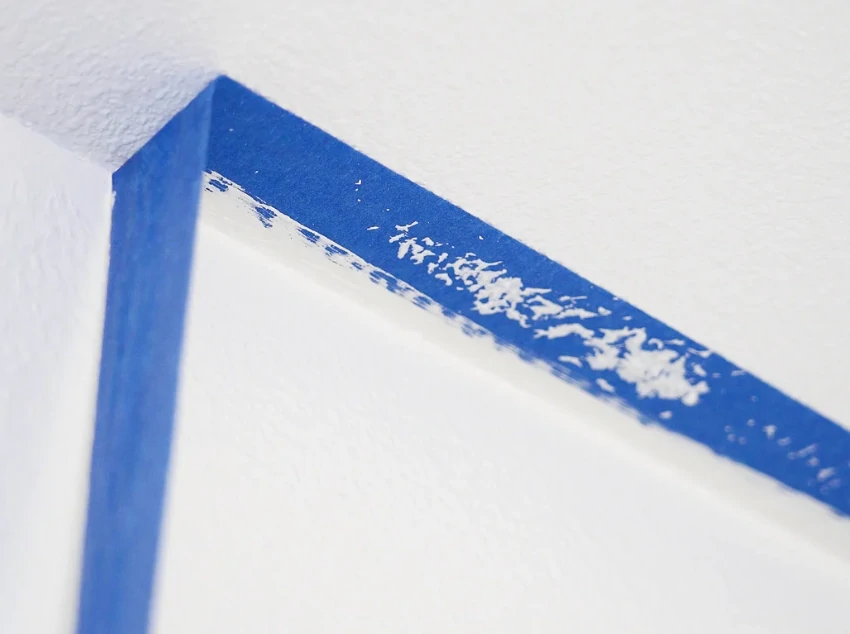
Why Paint Bleeds Under Tape

Before mastering how to properly use painters tape, it’s important to understand why bleeding happens.

Paint usually seeps under tape because of:

  • Dust or dirt on the surface
  • Uneven or textured walls
  • Poor tape adhesion
  • Applying thick paint layers
  • Incorrect tape removal
  • Removing tape at the wrong time
  • Using low-quality masking materials

Using the correct method for how to apply painters tape ensures that the tape forms a tight seal against the surface.

How to use painters tape

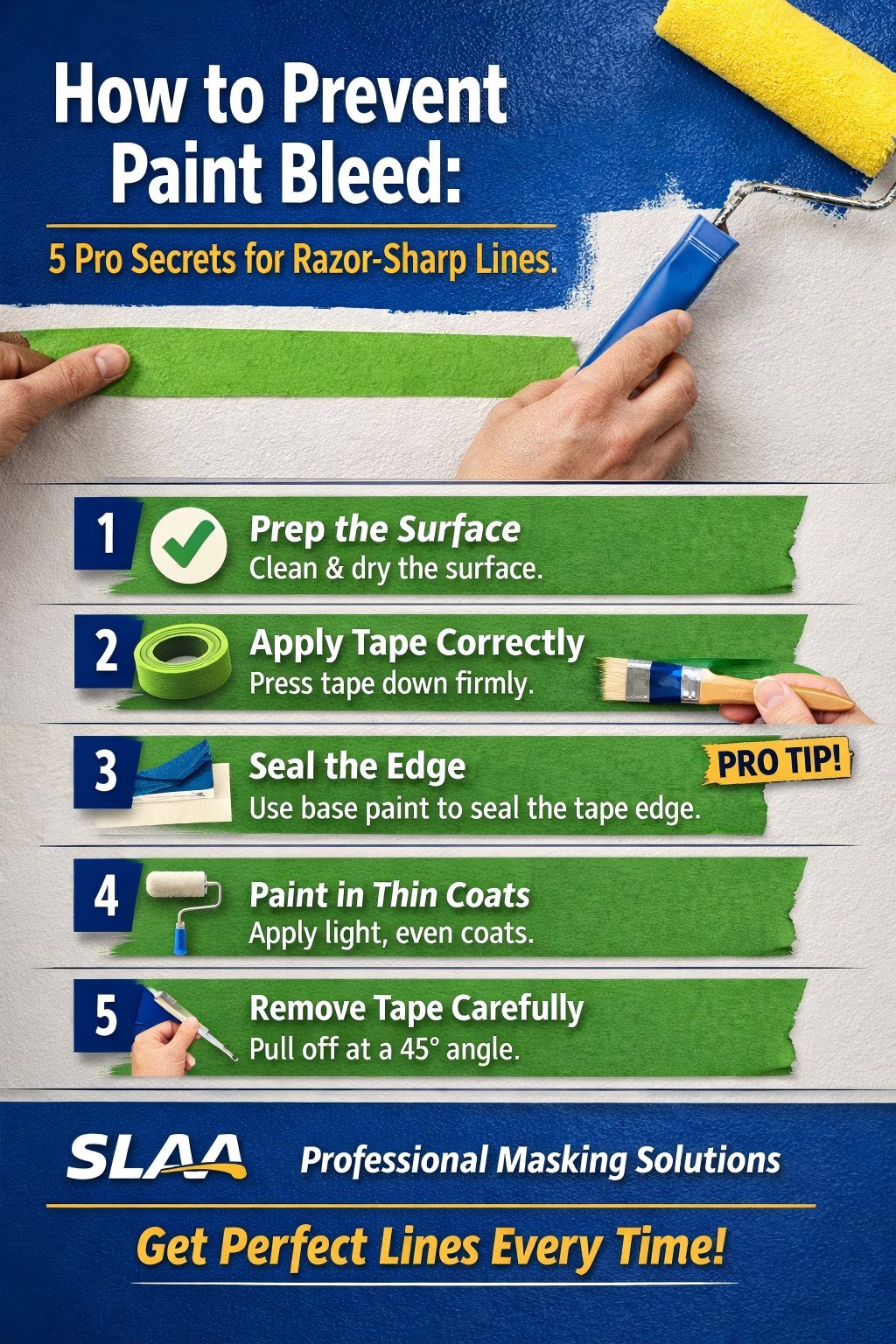
5 Pro Secrets for Sharp Paint Lines

1. Start With Proper Surface Preparation

The most common reason for paint bleed isn't the tape itself—it's what’s underneath it. Tape cannot create an airtight seal on a dirty or textured surface.

  • Clean the surface: Wipe surfaces with a damp cloth to remove dust.
  • Degrease: Remove grease with a mild detergent if needed.
  • Dry completely: Let the surface dry entirely before you begin how to apply painters tape.

A clean surface ensures maximum adhesion and minimizes gaps where paint can seep underneath.

2. Apply Painter’s Tape Correctly

Not all tapes are created equal. While standard masking tape is fine for general tasks, it is often too thick for high-precision work. Professionals often choose ultra-thin Washi paper tapes for the absolute sharpest lines.

  • Match the surface: Ensure your tape is rated for the specific surface you are painting (e.g., delicate, multi-surface, or rough).
  • Apply straight strips: Use continuous strips and avoid stretching the tape, as it will eventually "snap back" and lift at the edges.
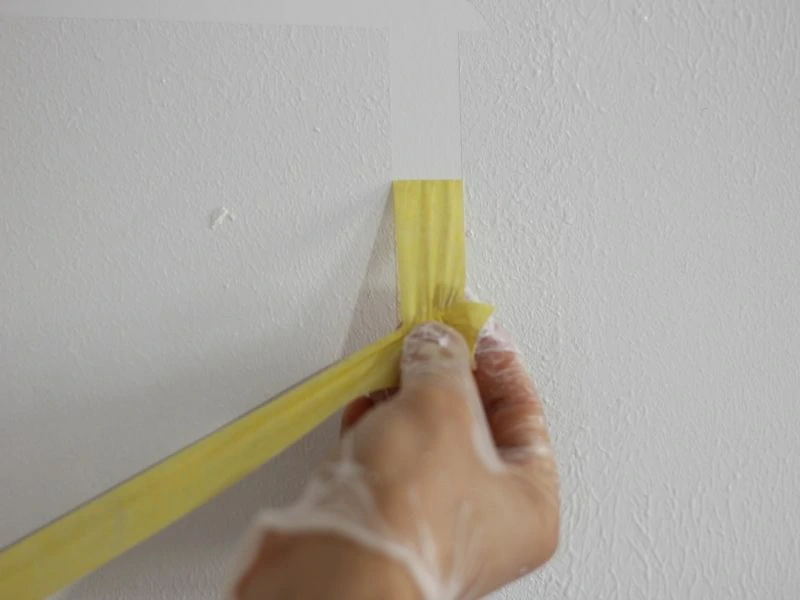
  • Overlap and press: Overlap corners slightly for full coverage. After laying the tape down, run a clean finger or a plastic squeegee along the edge with firm pressure to "activate" the adhesive and smooth out any air bubbles.
  • Firm pressure: Use a putty knife or credit card to firmly press the tape edge into the surface. This step alone significantly reduces the risk of preventing paint bleeding under tape.

3. Use the “Seal the Edge” Technique (The Pro Secret)

If you are working on a textured wall or want a 100% guaranteed barrier, this is the most important tip for how to use painters tape without bleeding.

  • The Base Coat Method: Once your tape is applied, paint over the edge with the existing wall color (the color under the tape). This "bleeds" the original color under the tape first, effectively sealing any gaps. Once it dries, apply your new color.
  • The Caulk Method: For trim or baseboards, apply a very thin bead of paintable caulk over the tape edge and wipe it almost entirely away with a damp finger. This creates a physical barrier that paint cannot penetrate.

4. Apply Paint in Thin, Controlled Coats

Excess paint is a primary cause of bleed-through. To avoid this:

  • Use light, even coats.
  • Avoid overloading your brush or roller.
  • Allow each coat to dry slightly before adding another.

Thin layers reduce the chance of paint forcing its way under the tape edge.

5. Remove Tape at the Right Time

Knowing how to use painters tape correctly also involves knowing exactly when to take it off.

  • Remove while damp: For the cleanest results, remove the tape while the paint is still "to the touch" damp. If the paint dries completely, it can form a film over the tape and peel away in chunks.
  • The 45-Degree Rule: Pull the tape back on itself at a steady, 45-degree angle. This "cuts" the paint film cleanly rather than tearing it.
  • Score if needed: If the paint has dried completely, lightly score the edge with a utility knife before removal.

Step-by-Step Summary: How to Use Painter’s Tape Correctly

1. Clean and dry the surface.
2. Apply tape carefully without stretching.
3. Press edges firmly to ensure adhesion.
4. Seal the edge using the base coat or caulk method.
5. Apply thin, controlled paint coats.
6. Remove tape at the proper time at a 45-degree angle.

Following these steps ensures consistent professional results.

Choosing the Right Painter’s Tape

Different surfaces require different tapes. When selecting painter’s tape, consider:

  • Adhesion strength (low, medium, or high)
  • Surface compatibility (delicate walls, wood, glass)
  • UV resistance for outdoor projects
  • Clean removal ratings

Using high-quality tape greatly improves performance when learning how to apply painters tape for detailed paint work.

Common Mistakes to Avoid

Even experienced DIY painters make these mistakes:

  • Applying tape on dusty surfaces
  • Skipping the edge sealing step
  • Using too much paint at once
  • Leaving tape on for too long
  • Pulling tape off too quickly

Avoiding these issues will significantly improve your painting results.

Final Thoughts

Mastering how to properly use painters tape is a matter of technique and using the right materials.By preparing surfaces, applying tape carefully, sealing the edge, using thin paint coats, and removing tape correctly, you can easily prevent paint bleeding under tape and create clean, sharp paint lines.

Improve Your Painting Results with SLAA

Looking for high-quality painter’s tape and masking solutions for professional results?

SLAA provides reliable adhesive tape products designed for clean removal, strong adhesion, and precise paint lines.

✔ Professional masking tape solutions
✔ Automotive and decorative painting tapes
✔ Reliable adhesion with clean removal

Contact SLAA today to find the right painter’s tape for your next project and achieve flawless painting results.

2026年2月10日星期二

Types of Painter’s Tape: How to Choose the Right One for Every Project

 Painter’s tape is an essential tool for achieving crisp paint lines, protecting surfaces, and delivering professional-quality results. However, with so many types of painter’s tape available—varying by color, adhesion level, and application - choosing the wrong tape can result in paint bleed, surface damage, or stubborn residue.

This guide explains the different types of painter’s tape, their pros and cons, and how to choose painter’s tape based on surface, environment, and project duration - whether you’re a DIY homeowner or a professional contractor.

What is Painter’s Tape?

Painter’s tape is a pressure-sensitive masking tape engineered for clean removal without damaging surfaces. Unlike standard masking tape, which uses high-tack adhesive that can harden over time, painter’s tape is designed to balance adhesion and removability.

Most painter’s tapes can remain in place from 14 to 120 days (depending on type) and still peel off cleanly - making them ideal for painting projects that require precision and surface protection.

Why Painter’s Tape Matters in Painting Projects

Using the correct types of tape for painting delivers measurable benefits:

1. Clean, Sharp Paint Lines

Creates crisp edges between colors and prevents paint bleed.

2. Surface Protection

Protects trim, glass, and finished surfaces from drips and overspray.

3. Easy, Residue-Free Removal

Removes cleanly without tearing paint or leaving adhesive behind.

4. Broad Application Range

Suitable for walls, ceilings, wood, metal, glass, and exterior surfaces.

Types of Painter’s Tape by Color: Pros & Cons

In professional painting, color indicates function. Below is a breakdown of the most common types of painter’s tape by color.

Blue Painter’s Tape (Multi-Surface)

Best for: General interior and exterior painting

Pros

  • Medium adhesion for wood, glass, metal, and trim
  • UV resistant for outdoor use
  • Clean removal without residue

Cons

  • May be too aggressive for fresh paint or delicate wallpaper
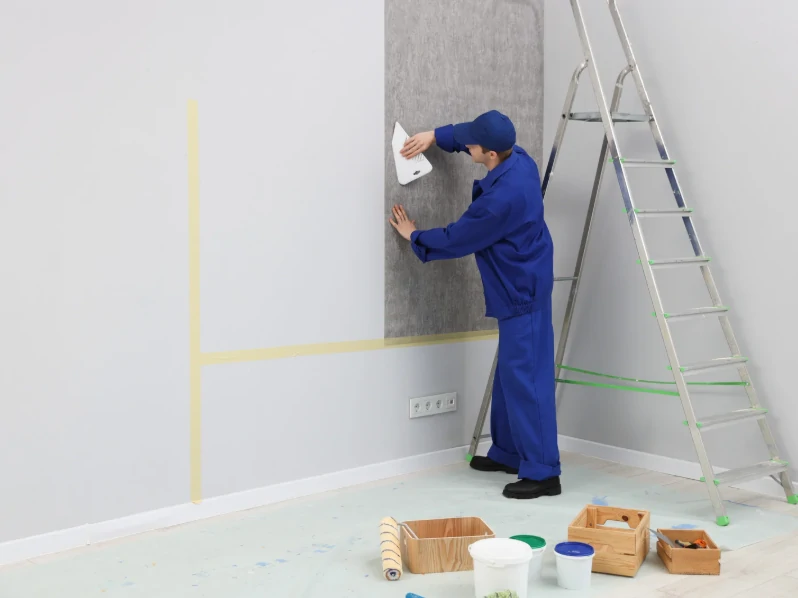
  • Yellow / Gold Painter’s Tape (Delicate Surfaces)

Best for: Fresh paint (over 24 hours old), wallpaper, decorative finishes

Blue Painter’s Tape UV resistant for outdoor use
Yellow / Gold Painter’s Tape (Delicate Surfaces)

Yellow / Gold Painter’s Tape (Delicate Surfaces)

Best for: Fresh paint (over 24 hours old), wallpaper, decorative finishes

Pros

  • Very low tack prevents surface damage
  • Ultra-thin backing for sharp paint lines
  • Excellent conformability

Cons

  • Limited holding power on rough or dusty surfaces

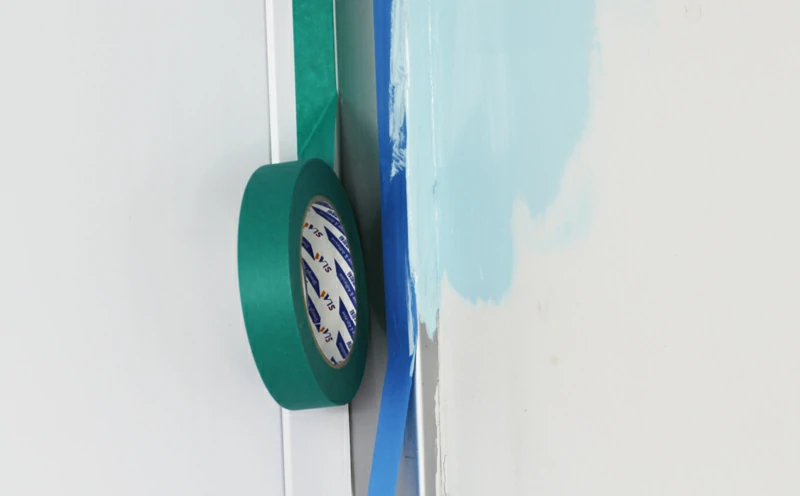
Green Painter’s Tape (Precision & Extended Removal)

Best for: Fresh paint, cabinets, wallpaper, detailed patterns

Pros

  • Low adhesion minimizes paint pull-off
  • Clean removal up to 60–120 days indoors
  • Ideal for precision masking

Cons

  • Not suitable for rough surfaces or outdoor exposure
Delicate Surface Painter's Tape for Freshly Painted Walls

Types of Painter’s Tape by Application

Understanding the types of painter’s tape by application is essential for achieving clean paint lines, protecting surfaces, and avoiding costly rework. Different types of tape for painting are engineered with specific adhesion levels, backing materials, and removal windows to match the surface and environment. Choosing the wrong option can result in paint bleed, torn drywall, or adhesive residue.

Below is a practical breakdown of the different types of painter’s tape based on where and how they are used.

Delicate Surface Painter’s Tape (Low-Tack Painter’s Tape)

Best for: Freshly painted walls (24–72 hours old). Wallpaper and decorative finishes. Veneers, cabinets, and drywall

Why choose it:

This type of painter’s tape uses a low-tack adhesive designed to prevent surface damage. It removes cleanly even after extended periods, making it ideal for precision interior work.

Pros:

  • Minimizes paint lifting and surface damage
  • Ultra-thin backing for sharp paint lines
  • Clean removal up to 60–120 days (indoor)

Cons:

  • Not suitable for rough or dusty surfaces
  • Lower holding power for heavy masking
Types of Painter’s Tape by Application

Multi-Surface Painter’s Tape (Medium-Tack Painter’s Tape)

Best for: Painted walls, trim, wood, metal, and glass. General interior and exterior painting projects.

Medium-Tack Painter’s Tape

Why choose it:

This is the most commonly used option and often considered the best balance when learning how to choose painter’s tape for everyday projects.

Pros:

  • Reliable adhesion on most smooth surfaces
  • UV-resistant for short-term outdoor use
  • Easy removal without residue

Cons:

  • May be too aggressive for fresh paint or wallpaper
  • Not designed for long-term exterior exposure

Exterior Painter’s Tape (High-Performance / UV-Resistant Tape)

Best for: Outdoor walls, siding, brick, stucco, and trim. Projects exposed to sunlight, moisture, and temperature changes.

Why choose it:

Exterior painter’s tape is specifically engineered to withstand harsh conditions while maintaining strong adhesion.

Pros:

  • UV, moisture, and temperature resistant
  • Strong adhesion on rough or textured surfaces
  • Clean removal after prolonged outdoor exposure

Cons:

  • Stronger adhesive may damage delicate finishes
  • Not recommended for fresh interior paint
 Exterior Painter’s Tape (High-Performance / UV-Resistant Tape)

Precision & Edge-Lock Painter’s Tape (Sharp-Line Painter’s Tape)

Best for: Decorative patterns and color blocking. Accent walls and detailed design work.

Why choose it:

Designed for ultra-clean edges, this type of tape for painting seals tightly to prevent paint bleed.

Pros:

  • Produces the sharpest paint lines
  • Excellent conformability around curves and corners
  • Ideal for professional-grade finishes

Cons:

  • Typically higher cost
  • Requires careful surface preparation

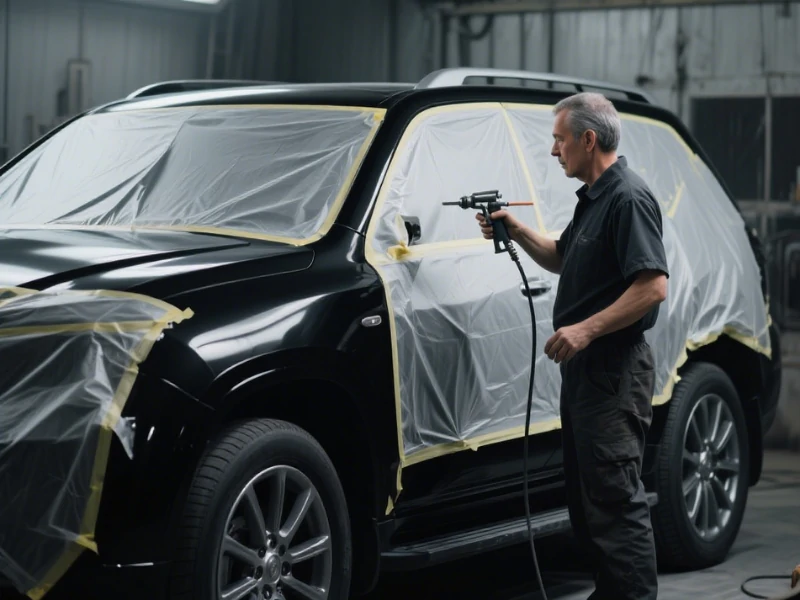
Automotive Masking Tape (High-Temperature Painter’s Tape)

Best for: Vehicle painting and refinishing. Industrial or professional spray applications.

Why choose it:

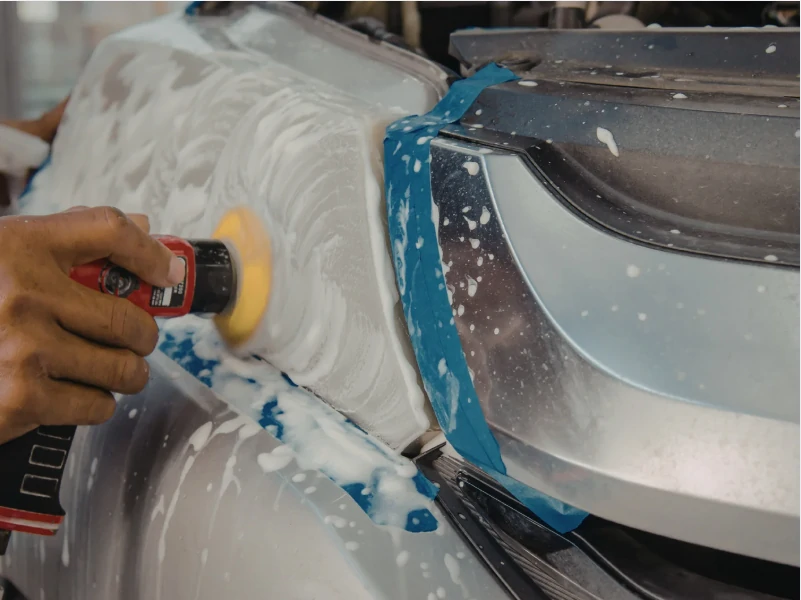
Automotive painter’s tape is engineered for heat, solvents, and high-pressure paint systems.

Pros:

  • Heat resistant (often 110°C or higher)
  • Solvent and water resistant
  • Clean removal after bake cycles

Cons:

  • Over-engineered for household use
  • Higher price point
High-Temperature Painter’s Tape

How to Choose Painter’s Tape: Key Factors

When selecting among the different types of painter’s tape, consider the following:

1. Surface Type

  • Smooth surfaces: low-to-medium tack
  • Rough or textured surfaces: high-tack tape

2. Duration of Application

Match the clean-removal rating (same-day, 14-day, or 120-day) to your project timeline.

3. Indoor vs Outdoor Use

Choose UV-resistant tape for exterior or sun-exposed areas.

4. Precision Requirements

Decorative lines require thin, delicate tapes; general masking allows wider, stronger tapes.

5. Paint Compatibility

Ensure resistance to latex, oil-based, or high-performance coatings.

Painter’s Tape Buying Checklist

✔ Surface-safe adhesion
✔ Clean removal window matches project length
✔ UV and temperature resistance if required
✔ Proper width and flexibility
✔ Proven edge-sealing performance

Conclusion

Understanding the types of painter’s tape and their specific applications is essential for clean finishes, efficient workflows, and surface protection. By learning how to choose painter’s tape based on adhesion, environment, and surface type, you can avoid common painting mistakes and achieve professional results every time.

Looking for reliable painter’s tape you can trust?
Explore SLAA’s professional-grade painter’s tape solutions, engineered for clean removal, sharp lines, and consistent performance across interior, exterior, and specialty applications.

2025年9月1日星期一

No.230 Carpet Installation Tape


Carpet Installation Tape

PET scrim double sided tape, large holding power

Carpet installation tape is a double sided tape with diagonal scrim carrier. Ideal for permanent installation or repair of carpeting. This carpet tape features a quick bonding adhesive with an easy peel and stick application.

Carpet Installation Tape provides large holding power under carpeted surfaces. It uses an acrylic adhesive and is designed for carpet and press fixings on stairs, steps, corners and more. Its heavy-duty adhesive bonds immediately with no clean-up required, making it ideal for wall base and vinyl trim. This double sided mounting tape is also commonly used for fixing and adhering car interior materials. It is safe, non-toxic and odourless.


2025年8月7日星期四

Painters Tape

Painter's tape, also known as masking tape, is a type of pressure-sensitive adhesive tape that is widely used in painting projects. It is designed to be easily applied and removed without leaving residue or damaging the surface it is applied to.

Painter's tape is typically made of a Washi paper or Crepe paper as carrier. It has a relatively low-tack adhesive on one side that allows it to adhere to surfaces temporarily. 


The main purpose of painter's tape is to create clean and straight lines while painting. It is applied along the edges or borders of the area that needs to be painted, such as walls, ceilings, windows, floors, brick, concrete, stucco, wall paper, or fresh paint. The tape acts as a barrier, preventing paint from bleeding or spreading beyond the designated area. It helps achieve sharp edges and professional-looking results.

One of the key advantages of painter's tape is its ability to be easily removed without damaging the underlying surface or leaving adhesive residue behind. There are several different types of SLAA painter's tape available, each with its own unique characteristics and recommended uses. Here are some of the common types:

  • General Purpose Painter's Tape, for most interior painting projects.
  • Multi-Surface Painter's Tape, for walls, windows, ceiling Delicate Surface Painter's Tape, for wall paper, for fresh paint.
  • High-temperature Painter’s Tape, heat resistant automotive masking tape.
  • High-Adhesion Painter's Tape, for stucco, for concrete, for brick, rough surfaces.
  • UV-Resistant Painter's Tape, for exterior painting.

Help customers choose the right adhesive tape for the job. Download Pro Guide Painter's Tape.

2025年7月11日星期五

Stucco Masking Tape UV Resistant, Waterproof, hand-tearable

 Stucco Masking Tape has a Striking red PE film backing with a rubber based adhesive. It is used for masking surfaces during stucco application and painting. The polyethylene backing is a durable, moisture, UV resistant film, and the Serrated edges are easy to hand-tear for a neat effect.

Stucco Masking Tapes adhesive makes it easier to Firmly adheres to rough surfaces. UV resistance up to 30 days, depending upon conditions and surfaces.


Applications

Stucco masking tape is used to mask against overspray when applying stucco, protecting surfaces such as windows, doors and frames.

Can be used for seaming and sealing polysheeting and film indoors and outdoors where UV exposure is prevalent.


Product Benefits

Provides a water tight seal and humidity resistance in a range of weather conditions.

Low-residue aggressive adhesive allowing material to be repositioned.

Bonds well to most surfaces over a wide temperature range.

Serrated edge option facilitates easy tear by hand.

Higher tack with excellent bond strength.

Durable and moisture resistant.

Good conformability for application to rough or irregular surfaces.


Technical Data

Colors: Red

Adhesive: Synthetic Rubber

Carrier: Polyethylene Film

Thickness: 0.17 mm

Adhesive thickness: 0.05mm

180°Adhesion: 20N/25mm

Initial adhesion (tack) : 6#

Holding power: 72h/0.5kg

Tensile strength: 8MPa

Elongation: 300%